Categories
Window Tinting and Films

Does Your Home Need Bathroom Window Film

In today’s world, homeowners are increasingly seeking innovative solutions to improve the functionality and aesthetics of their living spaces. Among these solutions, bathroom window film stands out as a practical and stylish option. Whether you’re looking to enhance privacy, add a touch of elegance, or improve energy efficiency, bathroom window film offers a versatile solution that caters to various needs. In this article, we will explore the benefits of bathroom window film, discuss different types available, and help you determine if it’s the right choice for your home.

Bathroom window film is a thin laminate film that can be applied to glass surfaces in bathrooms. It serves multiple purposes, including privacy enhancement, decorative appeal, and energy efficiency. This film comes in various styles and designs, allowing you to choose the one that best suits your bathroom’s aesthetic and functional needs. To better understand the types of window film available, it’s helpful to explore how different materials and finishes affect performance and design.

Benefits of Bathroom Window Film

Enhanced Privacy

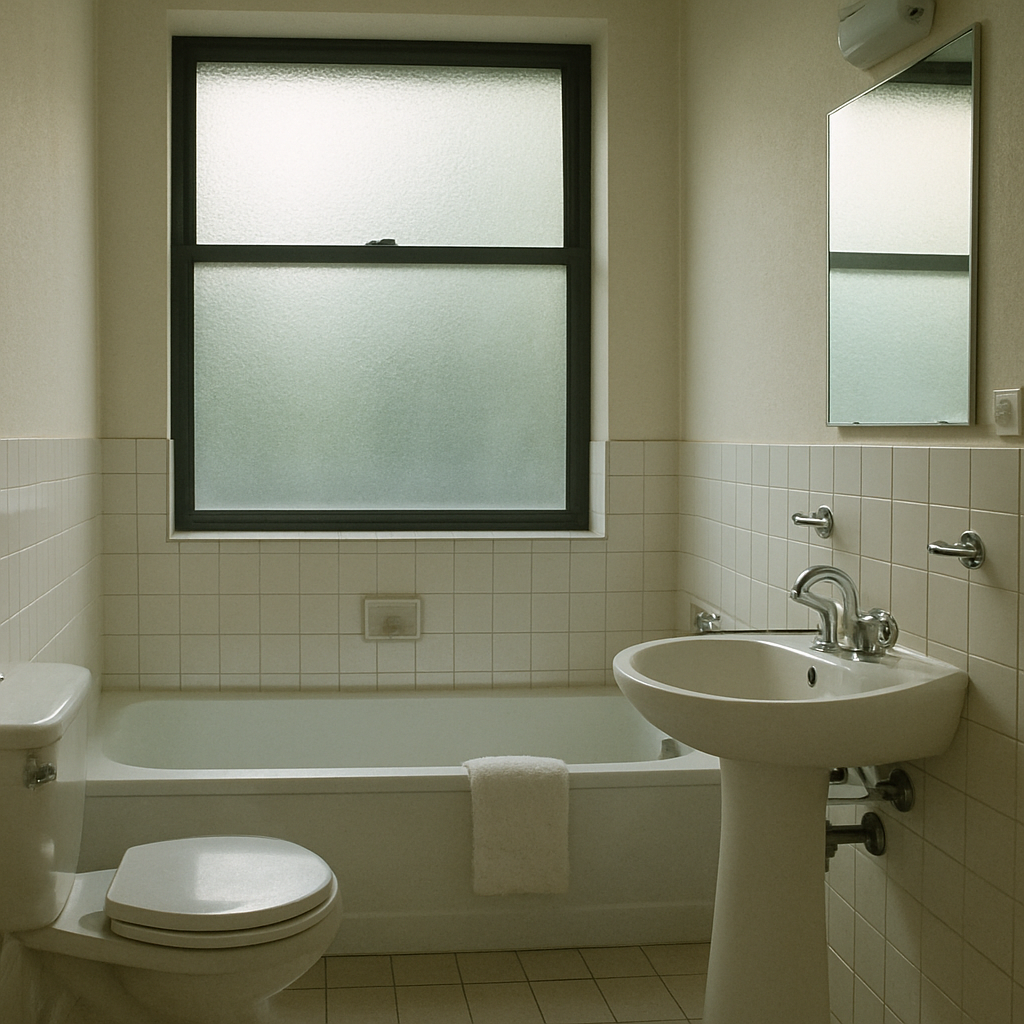
One of the primary reasons homeowners opt for bathroom window film is to increase privacy. Bathrooms are intimate spaces, and ensuring privacy is essential. Privacy window film allows you to enjoy natural light while obstructing the view from outside, making it an ideal solution for ground-level bathrooms or those facing neighboring properties. According to the U.S. Department of Energy, certain window films can also improve comfort and reduce heat gain, adding functional value beyond privacy.

Aesthetic Appeal

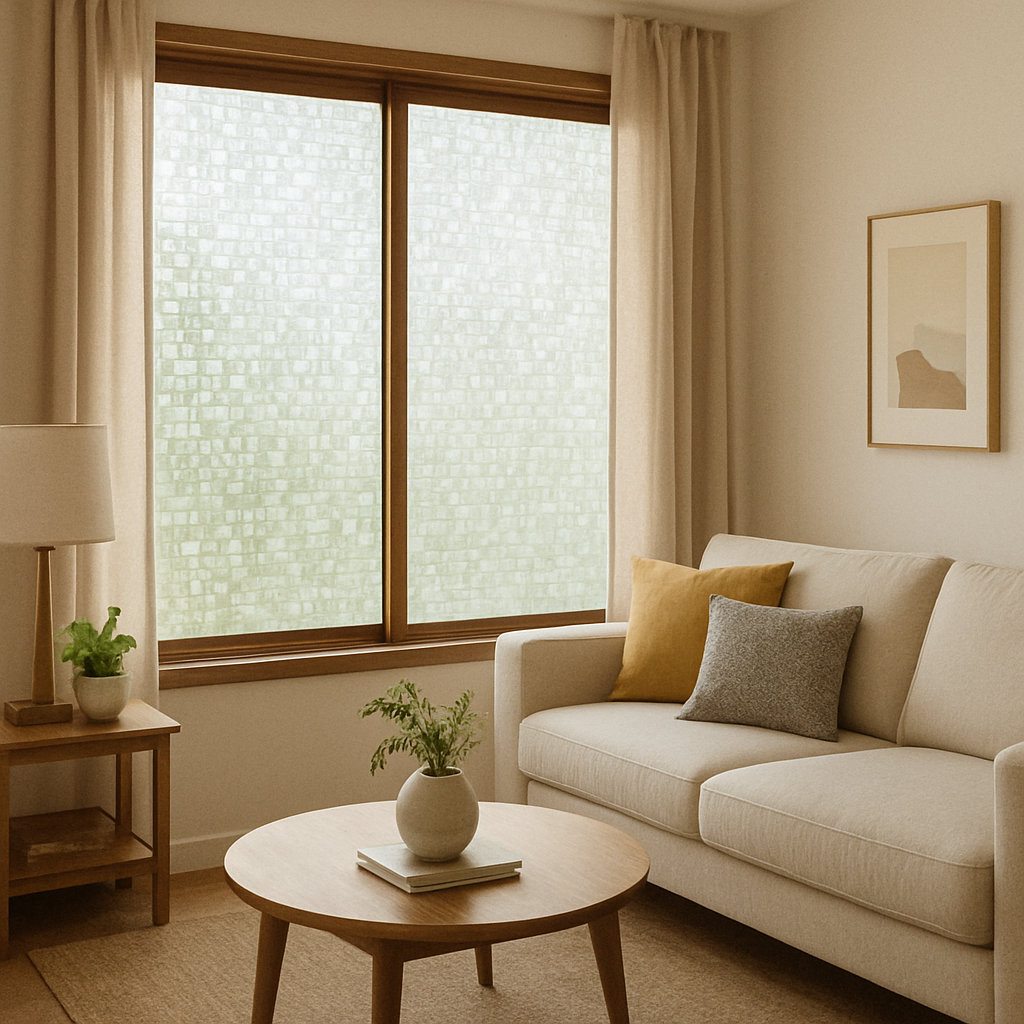
Bathroom window film is available in a wide range of designs, from frosted patterns to decorative motifs. This versatility allows you to enhance the aesthetic appeal of your bathroom without compromising on functionality. Whether you prefer a sleek, modern look or a classic design, there’s a window film to match your taste.

Energy Efficiency

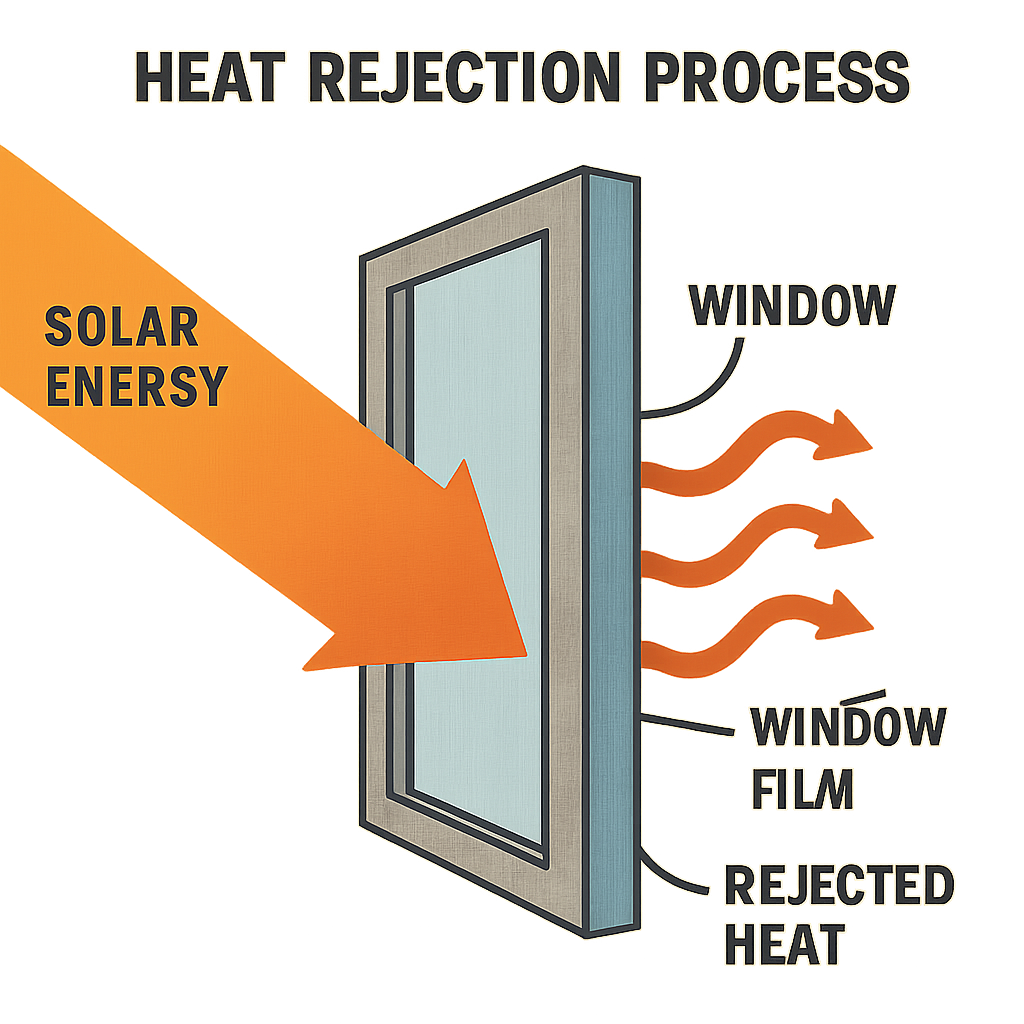
In addition to privacy and aesthetics, bathroom window film can contribute to energy efficiency. Certain films are designed to reduce heat transfer, keeping your bathroom cooler in the summer and warmer in the winter. This can lead to reduced energy consumption and lower utility bills, making it an eco-friendly choice for environmentally conscious homeowners. Research from the National Renewable Energy Laboratory highlights how window technologies can significantly impact building energy performance.

Types of Bathroom Window Film

variety_of_window_films

When it comes to choosing bathroom window film, there are several options to consider. Each type of film offers unique benefits, so it’s essential to understand your specific needs before making a decision.

Privacy Window Film

Privacy window film is specifically designed to obscure the view into your bathroom while still allowing natural light to filter through. This type of film is perfect for bathrooms facing busy streets or neighboring houses, providing peace of mind without sacrificing brightness.

Frosted Window Film

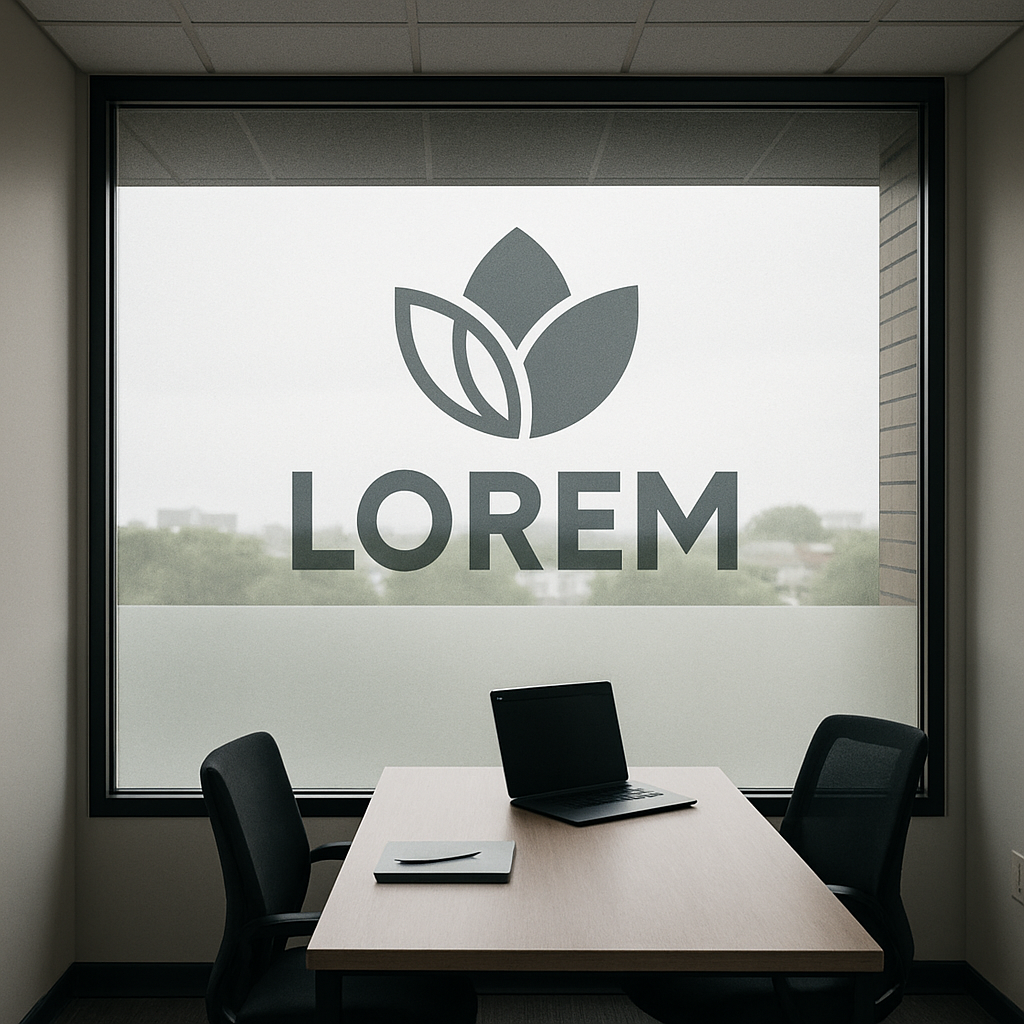
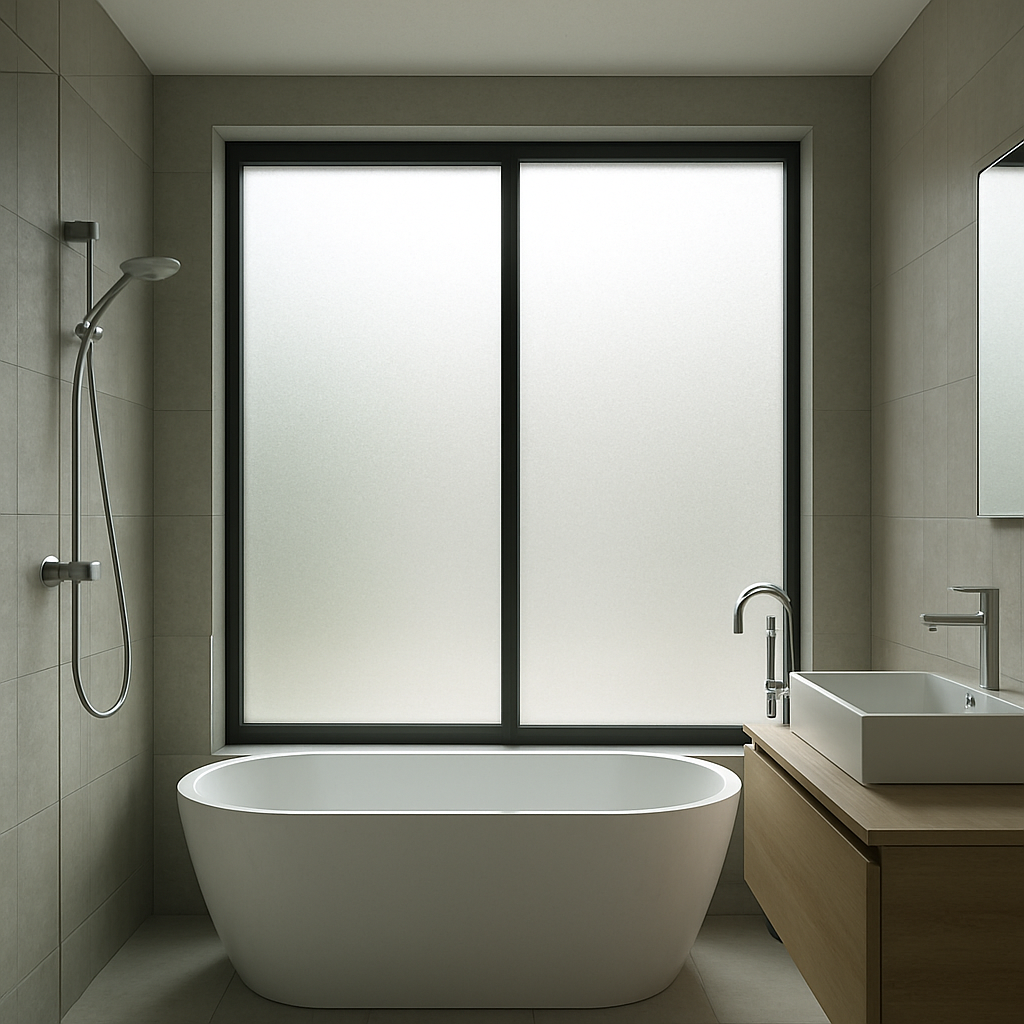
Frosted window film is a popular choice for homeowners seeking both privacy and style. It creates a translucent effect that blurs the view while adding an elegant touch to your bathroom decor. Frosted film is available in various patterns and can be customized to fit any window size or shape.

Decorative Window Film

For those looking to make a statement, decorative window film offers endless possibilities. From intricate designs to bold colors, decorative film allows you to personalize your bathroom space. Whether you want to create a spa-like retreat or a modern oasis, decorative window film can help you achieve your vision.

Is Bathroom Window Film Right for Your Home?

Now that you understand the benefits and types of bathroom window film, you may be wondering if it’s the right choice for your home. Here are some factors to consider when making your decision:

Privacy Needs

Assess your privacy needs based on your bathroom’s location and layout. If your bathroom is in close proximity to neighbors or faces a busy street, privacy window film can provide the seclusion you desire.

Aesthetic Preferences

Consider the overall style of your bathroom and how window film can enhance its appearance. With various designs available, you can choose a film that complements your existing decor or adds a unique touch.

Budget Considerations

Window film is a cost-effective solution compared to other privacy and decorative options. Determine your budget and explore film options that align with your financial plan while still meeting your needs.

Energy Efficiency Goals

If energy efficiency is a priority, opt for window films designed to reduce heat transfer and improve insulation. This can lead to long-term savings on energy bills and contribute to a more sustainable home.

Installation and Maintenance of Bathroom Window Film

installing_window_film

by Nguyen Minh (https://unsplash.com/@ngminh8895)

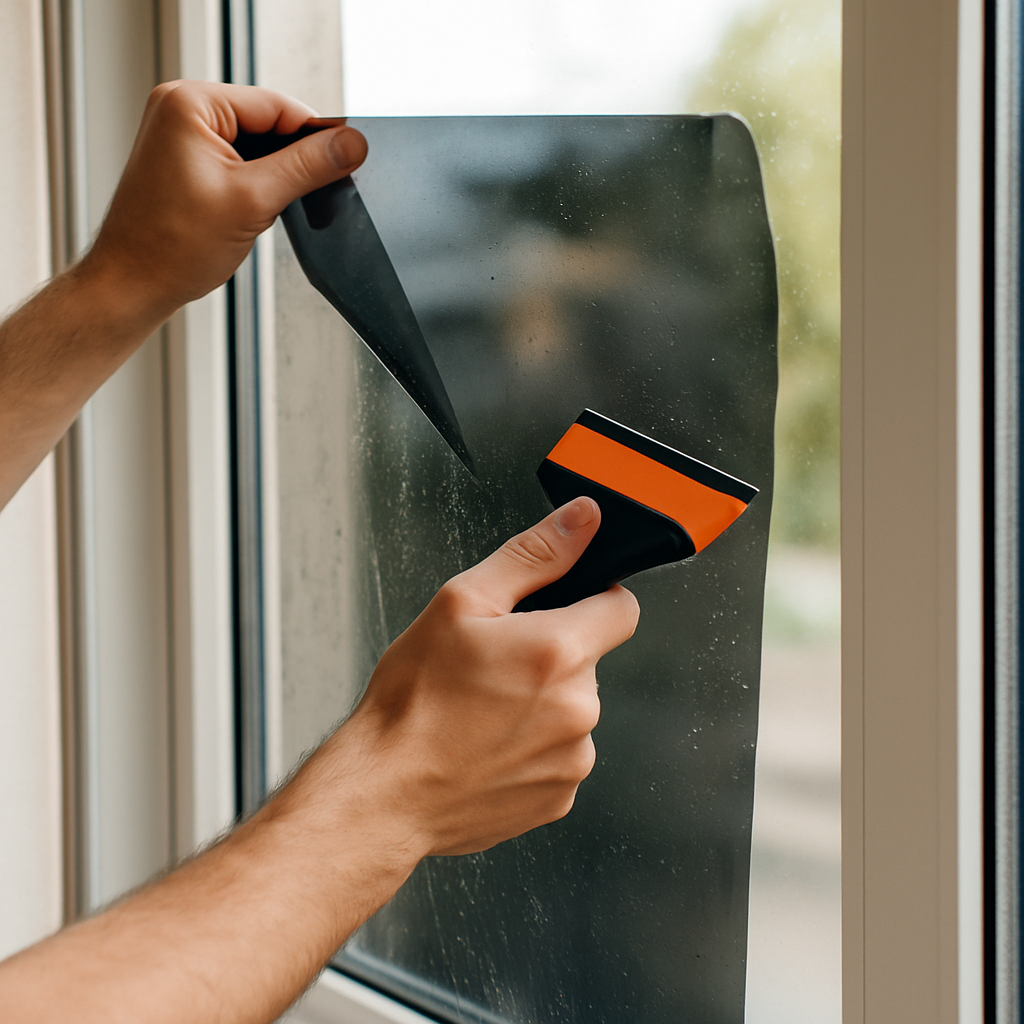
Installing bathroom window film is a straightforward process that can be done by professionals or as a DIY project. Here’s a brief overview of the installation and maintenance process:

Installation Process

  1. Clean the Window: Start by thoroughly cleaning the window surface to remove any dirt or debris. This ensures proper adhesion of the film.
  2. Measure and Cut: Measure the dimensions of your window and cut the film to size, leaving a small margin for adjustments.
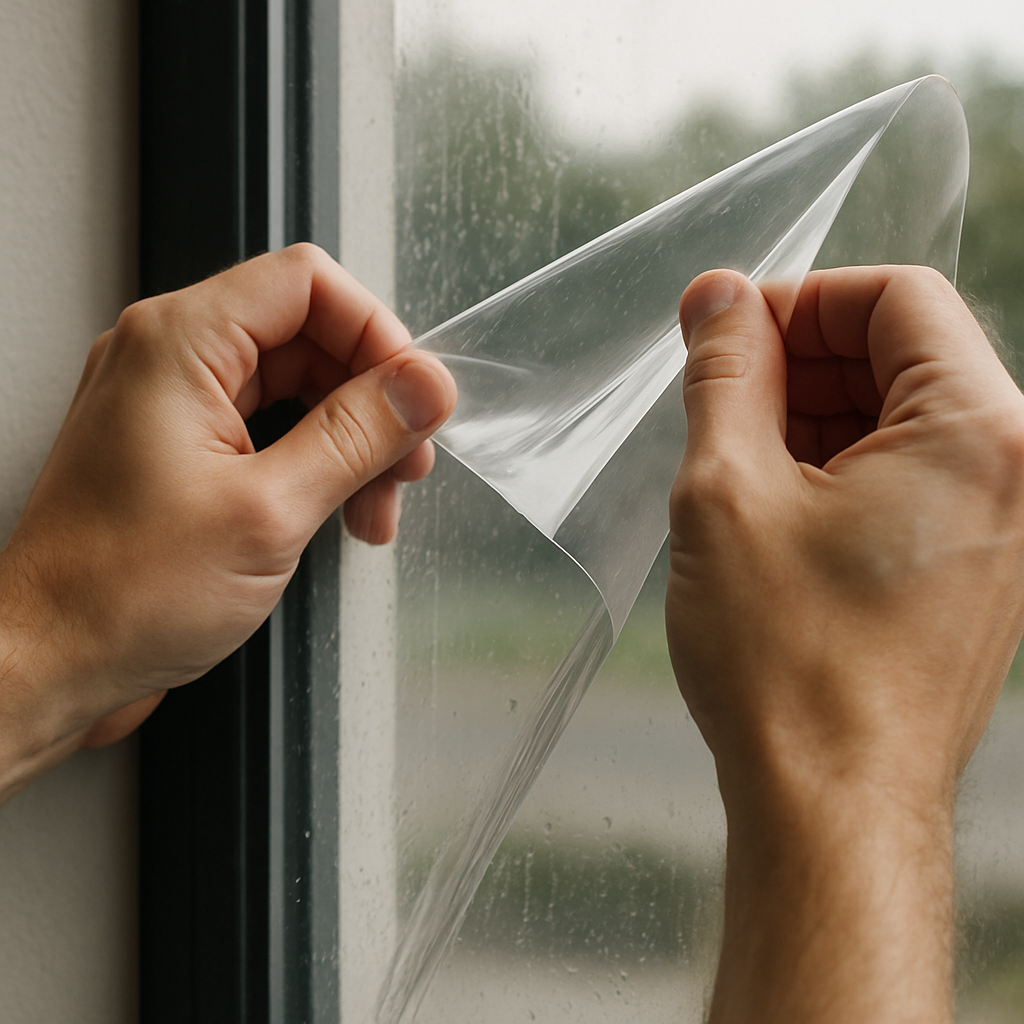
  3. Apply the Film: Peel off the backing and carefully apply the film to the window, smoothing out any bubbles or wrinkles with a squeegee.
  4. Trim Excess: Trim any excess film along the edges for a clean, professional finish.

Maintenance Tips

  • Clean Gently: Use a soft cloth and mild soap solution to clean the film. Avoid abrasive materials that may scratch the surface.
  • Avoid Harsh Chemicals: Steer clear of harsh chemicals or ammonia-based cleaners, as they can damage the film.
  • Inspect Regularly: Periodically inspect the film for any signs of wear or damage and address any issues promptly to maintain its appearance and functionality.

Conclusion

Bathroom window film offers a practical and stylish solution for enhancing privacy, aesthetics, and energy efficiency in your home. With a variety of options available, you can find the perfect film to suit your needs and preferences. Whether you choose privacy film, frosted film, or decorative film, you’ll enjoy the benefits of increased privacy, improved decor, and reduced energy consumption. Consider bathroom window film as a cost-effective and versatile addition to your home improvement projects, ensuring a more comfortable and visually appealing living space for you and your family.

Categories
Window Tinting and Films

Breaking Down the Cost of Window Film for Every Budget

# Breaking Down the Cost of Window Film for Every Budget

When it comes to enhancing the beauty and functionality of your home, window film offers a versatile and cost-effective solution. But how do you determine the right window film for your budget? In this article, we’ll explore the various types of residential window film, including the cost of popular options like 3M bulletproof window film, and provide insights to help you make an informed decision.

Window film is a thin laminate film that can be installed on the interior or exterior of glass surfaces in homes and buildings. It serves multiple purposes, such as reducing glare, blocking UV rays, enhancing privacy, and improving energy efficiency. With a variety of options available, it’s important to understand what each type of film offers. To better understand the different options available, explore this types of window film guide.

Types of Residential Window Film

  1. Solar Control Film: Helps reduce heat and glare, and blocks harmful UV rays. Ideal for energy savings.
  2. Safety and Security Film: Provides an added layer of protection by holding shattered glass together.
  3. Decorative Film: Enhances the aesthetic appeal of your windows with patterns and designs.
  4. Privacy Film: Blocks unwanted views while still allowing natural light to enter.
  5. 3M Bulletproof Film: Offers high-level security and protection, often used in high-risk areas.

Factors Influencing Window Film Cost

The cost of window film varies based on several factors, including the type of film, the size of your windows, and the complexity of the installation. Let’s break down these factors:

Type of Film

The type of film you choose plays a significant role in determining the cost. For instance, decorative films are generally less expensive compared to advanced security films like the 3M bulletproof window film.

Size of the Windows

The larger the window, the more film you’ll need, which increases the overall cost. Additionally, larger windows may require more labor-intensive installation processes.

Installation Complexity

Professional window film installation

Some window films, especially those with intricate designs or security features, require professional installation, which can add to the cost. DIY installation is an option for simpler films and can save money on labor.

Breaking Down the Cost for Different Budgets

Let’s take a closer look at how much you might expect to pay for window film based on your budget.

Budget-Friendly Options

For those on a tight budget, solar control and privacy films are excellent choices. These films typically range from $2 to $4 per square foot for the material, with DIY installation options available to keep costs low.

Mid-Range Solutions

If you have a moderate budget, you might consider decorative films, which can range from $5 to $8 per square foot. These films offer both aesthetic value and functionality, making them a popular choice for homeowners seeking to enhance their interior design.

Premium Selections

High-security window film

by Sebastian Laverde on Unsplash

For homeowners looking for high-end solutions, safety and security films, including the 3M bulletproof window film, provide superior protection. Prices for these films can range from $7 to $15 per square foot, with professional installation typically required due to their complexity. According to the U.S. Department of Energy, window films can significantly improve insulation performance and reduce energy loss.

The Value of Professional Installation

While DIY installation can save money, professional installation ensures that the film is applied correctly and lasts longer. Professional installers have the tools and expertise to handle more complex installations, such as those involving large or uniquely shaped windows. Industry best practices highlighted by the ASHRAE technical resources emphasize proper installation as a key factor in achieving optimal thermal performance.

Benefits of Professional Installation

  • Precision: Ensures a perfect fit and finish.
  • Warranty: Many professionals offer warranties on their installations, providing peace of mind.
  • Efficiency: Saves time and reduces the risk of errors during installation.

Maximizing Energy Efficiency and Savings

Window film is not just about aesthetics and protection; it also plays a significant role in energy efficiency. By reducing heat gain and loss, window film can help lower your energy bills. This is particularly beneficial in regions with extreme temperatures.

Energy Savings with Window Film

  • Heat Reduction: Solar control films can reduce heat gain by up to 79%, leading to significant cooling cost savings.
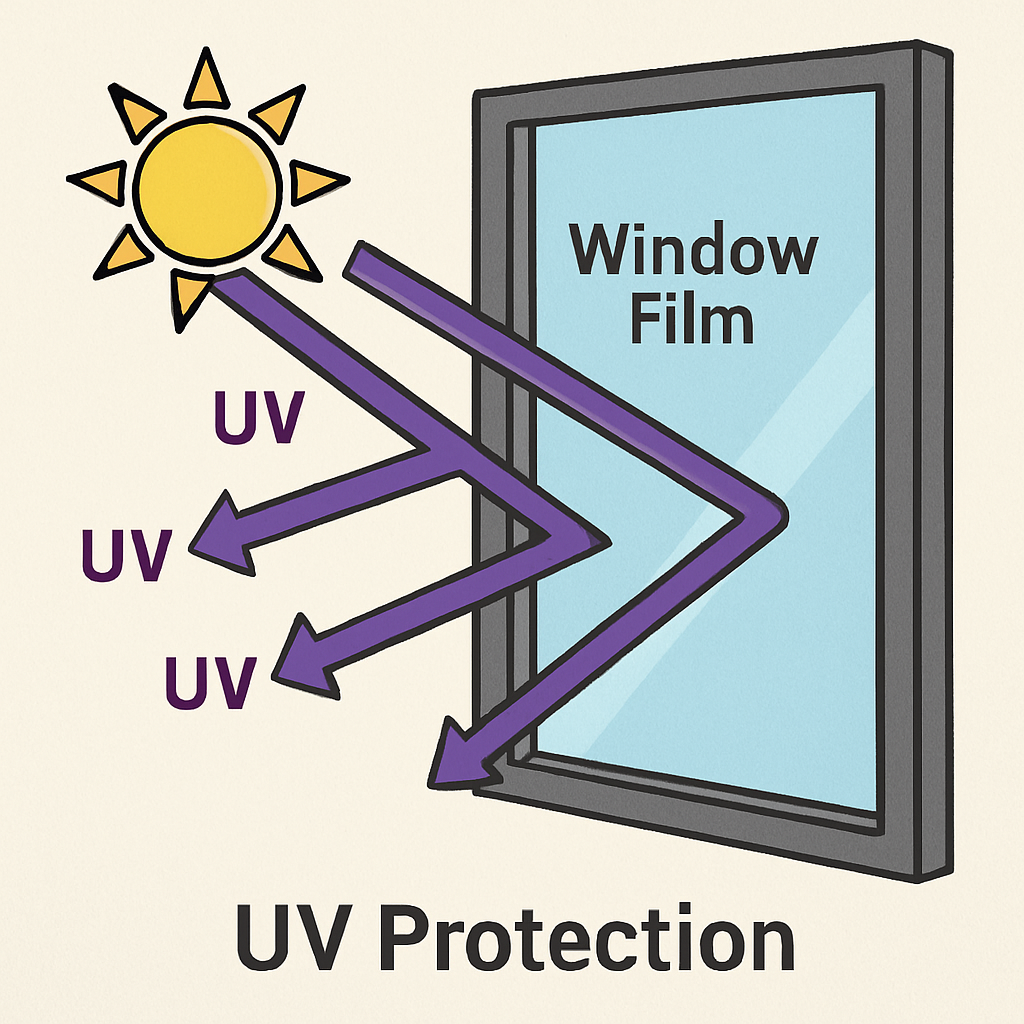
  • UV Protection: Blocks up to 99% of harmful UV rays, protecting your interior furnishings from fading.
  • Improved Comfort: Maintains a consistent indoor temperature, enhancing comfort year-round.

Making the Right Choice for Your Home

Choosing the right window film involves considering both your budget and your specific needs. Whether you’re looking for energy savings, enhanced security, or aesthetic appeal, there’s a window film solution that fits your requirements.

Questions to Ask Before Buying

  • What is the primary purpose of the window film (e.g., energy efficiency, privacy, security)?
  • How much are you willing to spend on materials and installation?
  • Will you opt for DIY installation, or do you prefer professional assistance?

By answering these questions, you’ll be better equipped to select the window film that aligns with your needs and budget.

Conclusion

Window film offers a cost-effective way to enhance your home’s comfort, security, and appearance. By understanding the types of films available and their associated costs, you can make an informed decision that fits your budget and lifestyle. Whether you choose a budget-friendly solar control film or invest in premium security solutions like the 3M bulletproof window film, the benefits of window film are clear.

Remember, professional installation can maximize the lifespan and effectiveness of your window film, ensuring you get the most value from your investment. So, take the time to explore your options and find the perfect window film for your home.

Categories
Window Tinting and Films

Design Trends Using Glass Protection Film

Glass protection film, commonly referred to as window film, is a thin laminate applied to the interior or exterior surfaces of glass. Its popularity stems from the multitude of advantages it offers, such as enhancing energy efficiency, increasing privacy, and providing UV protection. This versatile product is available in a myriad of styles, enabling customization of windows to align with any design aesthetic.

To truly appreciate the rise of glass protection film, one must first understand its basic composition and application. Typically, these films are made from polyester or vinyl, which contribute to their durability and versatility. They can be applied to various glass types, including standard windows, glass doors, and even glass partitions. This adaptability makes them suitable for residential, commercial, and even automotive uses.

Over the years, window film technology has evolved significantly, leading to the development of films that are not only functional but also stylish. Modern films incorporate advanced features such as nanotechnology coatings that enhance performance by providing superior heat rejection and UV blocking capabilities. This evolution has broadened the application scope of glass protection films, making them a key component in sustainable building designs.

The increasing demand for glass protection films can be attributed to changing consumer preferences towards eco-friendly and cost-effective home solutions. As more individuals become environmentally conscious, the need for products that contribute to energy conservation has soared. Additionally, urbanization has increased the demand for privacy solutions in densely populated areas, further boosting the popularity of these films.

There are several compelling reasons why homeowners and designers are incorporating glass protection film as a pivotal design element:

Glass protection films are available in a diverse range of patterns and colors, ranging from frosted and etched designs to tinted and reflective options. This variety enables endless creativity in interior design, allowing for a harmonious blend with existing decor. Whether you desire a sleek, modern look or a more traditional style, there is a film to suit every taste.

One of the standout benefits of glass protection film is its ability to significantly reduce heat gain and loss through windows. By improving the thermal performance of glass, these films can lead to substantial savings on energy bills. For eco-conscious homeowners and designers, this feature is a major selling point, contributing to a building’s overall energy efficiency.

Safety is a paramount concern for many homeowners, and glass protection films offer a solution by enhancing the security of glass surfaces. In the event of breakage, safety films hold shattered glass together, reducing the risk of injury from flying shards. This added layer of protection is especially beneficial in homes with children or in areas prone to severe weather.

Prolonged exposure to harmful UV rays can cause fading and damage to interior furnishings. Glass protection films block up to 99% of these rays, thereby preserving the vibrancy and longevity of furniture, flooring, and artwork. This feature is particularly valuable for maintaining the aesthetic appeal of interiors over time.

As the demand for glass protection film continues to grow, so do the design possibilities it offers. Here are some of the top trends to consider when incorporating these films into your home:

Frosted and etched films remain a classic choice for adding privacy to spaces such as bathrooms and office partitions without sacrificing natural light. These films can be customized with intricate patterns and designs, creating a sophisticated look that complements any style.

Frosted films are particularly popular for their ability to obscure views while allowing light to pass through. This is ideal for areas where privacy is desired without the heaviness of blinds or curtains. In commercial settings, etched films can be used to incorporate company logos or branding into the design, adding a touch of professionalism.

The customization options available with frosted and etched films are vast. From simple geometric patterns to elaborate floral designs, these films can be tailored to suit specific themes or preferences. This makes them an excellent choice for homeowners who wish to personalize their space without undertaking major renovations.

One of the key advantages of using frosted and etched films is their ability to balance light and privacy. By diffusing natural light, these films brighten interiors while maintaining a level of seclusion. This balance is especially beneficial in urban environments where privacy is often compromised.

Decorative films offer an array of patterns and textures, including geometric shapes, floral motifs, and abstract designs. These films can transform ordinary windows into stunning focal points, adding a touch of elegance and personality to any room.

Decorative films are an excellent way to add visual interest to a space without overwhelming it. The variety of patterns available allows for subtle enhancements that can complement or contrast with existing decor. This flexibility makes them suitable for both contemporary and traditional settings.

Personalization is key in modern interior design, and decorative films provide an opportunity to express individuality. Whether it’s a whimsical floral pattern or a bold geometric design, these films can reflect personal style and preferences, making a space truly unique.

The versatility of decorative films extends beyond windows. They can be applied to glass doors, partitions, and even mirrors, offering endless possibilities for creative design. This adaptability allows for a cohesive look throughout a home or office, tying different elements together seamlessly.

Gradient and ombre films are gaining popularity for their ability to create a seamless transition between transparency and opacity. This trend is perfect for modern spaces, as it adds depth and dimension to windows while maintaining a sleek and contemporary look.

Gradient and ombre films are particularly effective in adding depth to flat surfaces. The gradual transition from one color to another creates an illusion of movement, enhancing the dynamic quality of a space. This is particularly appealing in minimalist settings where subtlety is key.

For those who favor modern and contemporary design, gradient and ombre films offer a chic and sophisticated option. Their clean lines and smooth transitions complement modern architecture, contributing to an overall sense of harmony and balance in a space.

These films also provide innovative solutions for light control. By varying the opacity across a window, they allow for strategic light filtering, reducing glare while maintaining a connection with the outside environment. This functionality is particularly beneficial in office settings where natural light is desired but glare on screens must be minimized.

Colored and tinted films are an excellent way to introduce a pop of color into a room. Whether you prefer bold hues or subtle pastels, these films can enhance the ambiance of your space while also controlling glare and heat.

Colored films are perfect for those looking to inject vibrancy into their interiors. Available in a wide range of hues, from rich reds to calming blues, these films can set the mood of a room, whether it’s lively and energetic or serene and peaceful.

While colored films are visually striking, they also serve a functional purpose by reducing glare and controlling heat. This dual functionality makes them an attractive option for spaces that require both aesthetic appeal and practical performance, such as sunrooms and conservatories.

Tinted films offer the ability to customize the atmosphere of a room by controlling the amount of natural light that enters. This feature is particularly useful in creating cozy, intimate spaces or bright, airy environments, depending on the desired effect.

Beyond their design potential, glass protection films offer several practical benefits that make them an attractive option for homeowners and designers alike.

With rising energy costs, finding ways to improve energy efficiency is crucial. Glass protection films can reduce the amount of heat entering or escaping through windows, leading to significant savings on heating and cooling bills. This makes them an eco-friendly choice for those looking to reduce their carbon footprint.

The energy-saving benefits of glass protection films are largely due to their ability to regulate indoor temperatures. By minimizing heat transfer through windows, they help maintain a consistent indoor climate, reducing the need for excessive heating or cooling. This not only lowers energy bills but also contributes to a more sustainable lifestyle.

Investing in glass protection films can result in long-term financial benefits. While the initial cost of installation may vary, the savings on energy bills over time can offset this expense, making it a cost-effective solution for energy-conscious homeowners.

For those interested in sustainable building practices, glass protection films can contribute to achieving green building certifications such as LEED. Their energy efficiency and UV-blocking properties align with the criteria for environmentally responsible construction, making them a valuable addition to eco-friendly projects.

Privacy is a major concern for many homeowners, especially in urban areas. Glass protection films provide an effective solution by obscuring the view into your home without compromising natural light. This is particularly useful for street-level windows or homes with close neighbors.

One of the standout features of privacy films is their ability to obscure views while allowing natural light to filter through. This is achieved through a variety of opacities and finishes, enabling homeowners to maintain a bright, inviting space without exposing their interiors to prying eyes.

In densely populated areas, privacy is often compromised. Glass protection films offer a practical solution for urban dwellers who wish to enjoy their living spaces without the intrusion of outside views. This is especially beneficial for apartments and townhouses where proximity to neighbors is a concern.

Privacy films are not limited to residential use. They are also popular in commercial settings, providing confidentiality in offices and meeting rooms. Additionally, they can be used in healthcare facilities to ensure patient privacy, highlighting their versatility and broad application scope.

Glass safety film is designed to hold shattered glass together in the event of breakage, reducing the risk of injury from flying shards. This added layer of protection is especially important in homes with children or pets.

Safety films provide an essential safeguard against accidents involving glass breakage. Whether due to an accidental impact or natural disasters such as storms, these films ensure that broken glass remains intact, minimizing the risk of injury and damage.

In addition to holding shattered glass together, safety films also enhance the overall integrity of glass surfaces. This makes them more resistant to impacts and less likely to break under stress, providing peace of mind for homeowners concerned about the safety of their family and property.

Beyond accident prevention, safety films also serve as a deterrent to break-ins and vandalism. By reinforcing glass surfaces, they make unauthorized entry more difficult, enhancing the security of homes and businesses.

Prolonged exposure to UV rays can cause fading and damage to interior furnishings. Glass protection films block up to 99% of harmful UV rays, preserving the vibrancy and longevity of your home’s decor.

UV protection is crucial for maintaining the appearance and quality of interior finishes. Exposure to sunlight can lead to fading, discoloration, and degradation of materials, affecting the overall aesthetic of a space. Glass protection films act as a shield, preserving the integrity of furnishings and decor.

In addition to protecting interiors, UV-blocking films also offer health benefits by reducing exposure to harmful rays. This is particularly important for individuals with sensitivity to sunlight or those who spend extended periods near windows.

By minimizing UV exposure, glass protection films extend the lifespan of furniture, flooring, and artwork. This not only preserves their appearance but also reduces the need for frequent replacements, contributing to cost savings and sustainability.

Selecting the right glass protection film for your space involves considering both aesthetic and functional needs. Here are some tips to guide your decision:

Before choosing a film, it’s essential to determine what you want to achieve. Are you seeking enhanced privacy, improved energy efficiency, or a design upgrade? Clearly defining your goals will help narrow down the options and ensure you select the right film for your specific needs.

With a plethora of design options available, it’s important to choose a film that complements your existing decor and personal taste. Whether you prefer a minimalist aesthetic or a more ornate style, there is a film to match every preference. Take the time to explore different patterns, textures, and colors to find the perfect fit for your space.

For the best results, consider working with a professional installer. They can provide expert advice on the most suitable films for your requirements and ensure a seamless application. Professional installation not only guarantees a flawless finish but also maximizes the performance and longevity of the film.

Glass protection film is more than just a practical solution; it’s a design element that can elevate the look and feel of your home. With its wide range of styles and benefits, this versatile product is an excellent choice for anyone looking to enhance their living space. By incorporating glass protection film into your design plans, you can create a beautiful, energy-efficient, and secure home that reflects your personal style.

Whether you’re an interior designer searching for cost-effective solutions or a homeowner looking to improve your space, glass protection film offers a unique opportunity to combine functionality with aesthetics. Embrace these design trends and transform your windows into a feature you’ll be proud to showcase. From energy savings to enhanced privacy and safety, the advantages of glass protection films are abundant. Consider integrating this innovative solution into your next design project and experience the transformative impact it can have on your environment.

Categories
Window Tinting and Films

Measuring Your Windows for a Perfect Film Fit

When it comes to enhancing the aesthetic appeal and energy efficiency of your home, window films are a fantastic option. They not only transform the visual dynamics of a room but also contribute significantly to the comfort and functionality of your living space. However, the key to a successful installation lies in accurately measuring your windows. This ensures that the window film fits seamlessly, providing both style and functionality. In this article, we’ll walk you through the process of measuring your windows for a perfect film fit, ensuring both style and functionality.

Accurate window film measurement is crucial for several reasons. Firstly, it ensures that the film covers the entire window surface without any gaps or overlaps. Gaps can reduce the effectiveness of the film in terms of insulation and privacy, while overlaps can create an unsightly finish and may even lead to peeling over time. Secondly, it helps in calculating the right amount of film needed, minimizing waste and cost. An accurate measurement means you order only what you need, avoiding excess material that could increase your expenses unnecessarily. Lastly, precise measurements lead to a seamless installation, enhancing the overall appearance and effectiveness of the window film. A well-measured and installed film not only looks professional but also performs optimally by reducing glare, improving insulation, and increasing privacy.

Moreover, accurate measurement can prevent common installation pitfalls. For instance, if the film is too small, it might not adhere properly, leading to bubbling or peeling. Conversely, if it’s too large, cutting it down to size can result in uneven edges and wasted material. Therefore, investing time in precise measurement is an investment in the longevity and performance of your window films.

Tools You Will Need

Before you start measuring, gather the necessary tools to ensure a precise measurement:

  • Tape Measure: A standard or laser tape measure works best. A laser tape measure, in particular, can provide greater accuracy and is ideal for large windows or when measuring alone.
  • Notepad and Pen: To record your measurements. This ensures you have an accurate record to refer back to when ordering or cutting your film.
  • Film Size Calculator: An online tool to help determine the amount of film required based on your measurements. This tool can save you time and help avoid costly mistakes by providing you with an exact measurement needed for your project.

Additionally, having a straight edge or ruler can help when marking out your measurements for cutting. A level can also be useful to ensure your measurements are perfectly straight, especially for large or uniquely shaped windows.

Step-by-Step Guide to Measuring Windows

Step 1: Measure the Width

Begin by measuring the width of the window.

  1. Measure at the Top, Middle, and Bottom: Using your tape measure, measure the width at the top, middle, and bottom of the window. Windows can sometimes be slightly uneven, so measuring at different points ensures accuracy. This step accounts for any variations in the window frame that might affect the fit of the film.
  2. Record the Largest Measurement: Note the largest of the three measurements. This will be the width you’ll use when ordering your window film. This approach guarantees that the film will cover the entire surface area, avoiding any potential gaps at the edges.

Step 2: Measure the Height

Next, measure the height of the window.

  1. Measure at the Left, Center, and Right: Like the width, measure the height at the left, center, and right sides of the window. This step is crucial for identifying any inconsistencies in the window’s height.
  2. Record the Largest Measurement: Again, note the largest measurement. This ensures that the film will cover the entire height of the window. By taking the largest measurement, you ensure full coverage, even if the window is slightly taller on one side.
measuring_window_height

Step 3: Consider Additional Factors

While width and height are the primary dimensions, consider other factors that might affect the fit of the window film.

  • Window Frame: Measure from the inside edge of the frame to ensure full coverage. The frame can often be a source of error if not accounted for in the measurement process.
  • Curved or Arched Windows: These may require custom-cut films or professional assistance. Such windows can add architectural interest but also present unique challenges for film application.
  • Obstructions: Be aware of any handles, locks, or mullions that might interfere with the film. These features can complicate the installation process, so plan for them in advance.

In addition, if you have older windows, consider any potential irregularities due to wear and tear. Aging window frames might have shifted slightly over time, affecting how the film adheres. It might also be helpful to measure any adjacent panes if you are working with multi-panel windows.

Using a Film Size Calculator

Once you have your measurements, a film size calculator can help you determine how much film to order. Simply input your measurements, and the calculator will provide an estimate. This tool is particularly helpful for larger projects, ensuring you order the right amount of film without excess. By using a calculator, you also reduce the risk of human error in your calculations, which can save both time and resources.

Additionally, many film calculators offer features that account for different film types and their specific application needs. This ensures that whether you’re purchasing reflective, tinted, or decorative film, you have the precise amount necessary for a successful application.

Tips for a Successful Installation

  • Clean the Windows: Thoroughly clean the windows before applying the film to ensure proper adhesion. Dirt and debris can prevent the film from sticking properly, leading to bubbles or peeling.
  • Follow Manufacturer Guidelines: Each window film brand may have specific installation instructions. Follow these for the best results. Different films can have varying requirements for temperature and humidity during installation.
  • Consider Professional Installation: For large or complex windows, hiring a professional can save time and ensure a flawless finish. Professionals have the tools and expertise to handle difficult installations that might otherwise lead to costly mistakes.

Furthermore, ensure that you have the right tools for the job, such as a squeegee, utility knife, and spray bottle with a solution to help with film placement. Proper preparation and the right tools can make a significant difference in the quality of your installation.

Benefits of Window Film

window_film_installation

by Zen Summer (https://unsplash.com/@ispywithmylittleeye)

Window films offer a range of benefits beyond just aesthetics:

  • Energy Efficiency: Films can reduce heat gain in the summer and heat loss in the winter, leading to lower energy bills. By maintaining a more consistent indoor temperature, your heating and cooling systems don’t have to work as hard, which can extend their lifespan.
  • UV Protection: They block harmful UV rays, protecting your furnishings and flooring from fading. This protection can prolong the life of your interior décor and help maintain the vibrancy of colors in your home.
  • Privacy and Security: Certain films enhance privacy and add an extra layer of security by holding shattered glass together. This feature can deter potential intruders and offer peace of mind in areas prone to severe weather.

In addition, window films can also reduce glare, making it easier to enjoy natural light without the discomfort of harsh sunlight. This can be particularly beneficial in home offices or media rooms where screen visibility is crucial.

Conclusion

Measuring your windows accurately is the first step towards a successful window film installation. With the right tools and techniques, you can ensure a perfect fit that enhances the beauty and efficiency of your home. Whether you’re an interior designer seeking to complement a client’s décor or a homeowner looking to improve energy efficiency, window films are a versatile solution worth considering.

By following this guide, you’ll be well-equipped to measure your windows confidently and enjoy all the benefits that window films have to offer. Remember, precision is key, so take your time during the measurement process to achieve the best results. Proper preparation and attention to detail in the measurement phase will pay off in a smooth installation process and a finished product that meets your aesthetic and functional needs.

Categories
Window Tinting and Films

Complete Breakdown of Window Protection

In today’s world, where energy efficiency, privacy, and aesthetic appeal are paramount in home design, window protection emerges as a crucial aspect of home improvement. Whether you’re looking to enhance the comfort of your living space, boost energy efficiency, or simply add a touch of style, window protection solutions like window films and paint protection films (PPF) offer valuable benefits.

Understanding Window Films

Window films are thin layers of material applied to glass surfaces. They serve multiple purposes, ranging from UV protection and glare reduction to privacy enhancement and aesthetic improvement. In this section, we’ll dive into the key benefits and types of window films available. For a deeper overview, read this introduction to window films.

Benefits of Window Films

  1. Energy Efficiency: Window films can significantly reduce the heat entering or leaving your home, thus lowering your heating and cooling costs. By reflecting heat during summer and retaining warmth during winter, window films help maintain a consistent indoor temperature. According to the U.S. Department of Energy, energy-efficient window coverings can significantly reduce heat gain and loss in homes.
  2. UV Protection: Harmful UV rays can fade your furniture, artwork, and flooring. Window films block up to 99% of UV rays, protecting your interiors from sun damage and prolonging the lifespan of your belongings.
  3. Glare Reduction: Whether you’re watching TV or working on a computer, glare can be a nuisance. Window films reduce glare, making your indoor activities more comfortable and enjoyable.
  4. Privacy: If your home is close to a busy street or neighbors, privacy can be a concern. Frosted or tinted window films provide the privacy you need without compromising on natural light.
  5. Aesthetic Appeal: Available in various shades and designs, window films can enhance the visual appeal of your home. They can mimic the look of etched glass or provide a sleek, modern appearance.
Window with decorative film

Types of Window Films

  • Solar Control Films: Designed to reduce heat and glare, these films are ideal for rooms with large windows that face the sun for long periods.
  • Safety and Security Films: These thick films hold broken glass together, reducing the risk of injury from shattered glass during storms or break-ins.
  • Decorative Films: Perfect for adding a design element to your windows, decorative films come in patterns, colors, and textures.
  • Privacy Films: These films obscure visibility from outside, making them suitable for bathrooms, bedrooms, or any area where privacy is desired.

The Role of PPF Paint Protection Film

While typically associated with automotive applications, PPF paint protection films also offer unique benefits for homes, particularly in protecting window frames and sills from damage.

What is PPF?

PPF is a transparent film that provides a protective layer over surfaces. It is highly durable and resistant to scratches, chips, and stains. When applied to window frames, PPF can protect against environmental damage and daily wear and tear.

Benefits of PPF for Window Protection

  1. Scratch and Chip Resistance: PPF guards window frames against scratches and chips, keeping them looking new for longer.
  2. UV Protection: Much like window films, PPF can reduce UV exposure, protecting window frames from fading and deterioration.
  3. Ease of Maintenance: PPF makes cleaning easier, as it resists dirt and grime buildup.
  4. Enhanced Durability: By safeguarding window frames, PPF extends their lifespan, reducing the need for frequent repairs or replacements. Learn more about UV radiation effects from the Environmental Protection Agency.
PPF application on window frame

by Marija Zaric

Choosing the Right Window Protection Solutions

Selecting the appropriate window protection solution depends on various factors, including your specific needs, budget, and aesthetic preferences. Here are some considerations to guide your decision:

Assessing Your Needs

  • Energy Efficiency: If reducing energy bills is a priority, consider solar control films that offer high heat rejection properties.
  • Privacy and Security: For enhanced privacy, opt for privacy or frosted films. If security is a concern, invest in safety and security films.
  • Aesthetic Goals: Decorative films can transform the look of your windows, adding style and elegance.

Budget Considerations

Window protection solutions come in a range of prices. It’s important to balance cost with the benefits offered. Higher-quality films may have a higher upfront cost but can save money in the long run through energy savings and reduced maintenance.

Professional Installation

For optimal results, consider professional installation of window films and PPF. Skilled installers ensure a seamless application, free from bubbles or imperfections, maximizing the performance and lifespan of the films.

Conclusion

Window protection is a versatile and valuable investment for any home. From enhancing energy efficiency and privacy to adding aesthetic appeal, window films and PPF provide comprehensive solutions tailored to your needs. As a trusted source in home improvement, we are committed to helping you choose the right window protection solutions that align with your goals and lifestyle.

By understanding the benefits and options available, you can make informed decisions that not only protect your home but also enhance its overall comfort and beauty. Whether you’re an interior designer seeking cost-effective solutions or a homeowner looking to improve your living space, window protection offers a myriad of possibilities to explore.

Categories
Window Tinting and Films

Is It Time to Invest in Privacy Glass Film

In today’s fast-paced world, privacy has become a precious commodity. Whether you’re enjoying a quiet afternoon at home or hosting a dinner party, the need to shield your personal space from prying eyes is more relevant than ever. This is where privacy glass film comes into play. It offers a versatile and cost-effective solution for enhancing privacy without sacrificing style or natural light. But, is it the right choice for you? Let’s explore the ins and outs of privacy glass film to help you make an informed decision.

Privacy glass film, also known as privacy window film, is a thin, adhesive layer applied directly to glass surfaces. It is designed to obscure the view from the outside while maintaining the ability to see out from the inside. This innovative product transforms ordinary windows into stylish, functional features that offer a range of benefits.

Types of Privacy Glass Film

There are several types of privacy glass film available, each with its own unique characteristics and benefits:

  • Frosted Film: Provides a translucent, frosted appearance that diffuses light and offers privacy both day and night.
  • Reflective Film: Features a mirrored finish that reflects the outside view, offering daytime privacy while maintaining visibility from the inside.
  • Decorative Film: Comes in various patterns and designs, adding a touch of elegance to any room while providing privacy.
  • Blackout Film: Completely blocks light for maximum privacy, ideal for bedrooms or media rooms.

Benefits of Privacy Glass Film

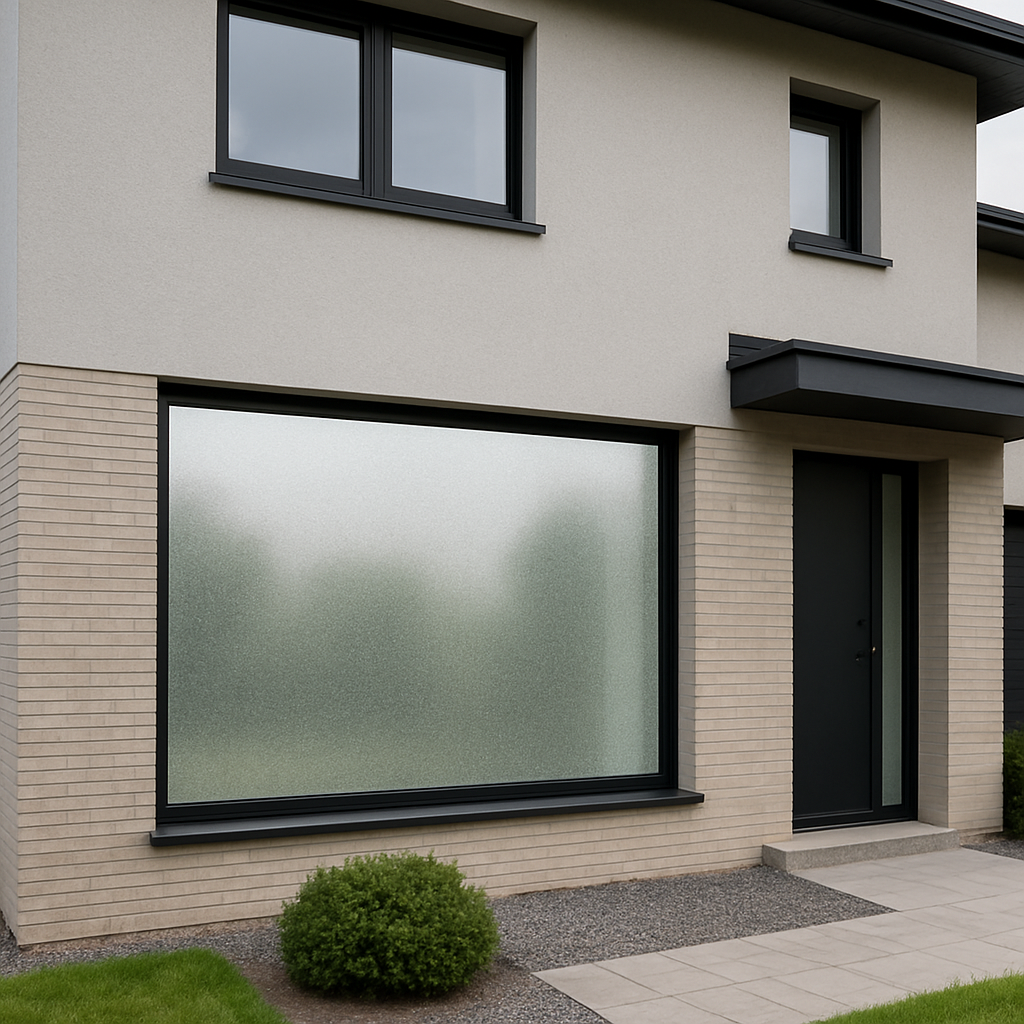
Frosted privacy film in a modern home

Investing in privacy glass film can bring numerous advantages to your living or working space:

Enhanced Privacy

The primary benefit of privacy glass film is, unsurprisingly, increased privacy. It allows you to enjoy your space without worrying about unwanted attention from neighbors or passersby.

Energy Efficiency

Privacy glass film can also contribute to energy savings and efficiency. Reflective films, in particular, can reduce heat gain in the summer and heat loss in the winter, leading to lower energy bills. This makes it a smart choice for those looking to improve their home’s energy efficiency.

UV Protection

Many privacy films block up to 99% of harmful UV rays, which can protect your furniture, flooring, and artwork from fading over time. This added protection helps preserve the longevity and appearance of your interior spaces.

Cost-Effective Solution

Compared to other privacy solutions like blinds or curtains, privacy glass film is a more affordable option. It provides a modern, sleek look without the need for bulky window treatments.

Easy Installation and Maintenance

Privacy glass film is easy to install and maintain. It can be applied to existing windows without the need for major renovations, and it’s simple to clean with regular glass cleaners.

Is Privacy Glass Film Right for Your Space?

Deciding whether to invest in privacy glass film depends on several factors, including your specific needs and preferences. Here are some considerations to help you determine if it’s the right choice for your space:

Assess Your Privacy Needs

Consider the level of privacy you require in different areas of your home. For example, bathrooms and bedrooms typically need more privacy than a living room or kitchen. Privacy glass film can be tailored to provide the right amount of privacy for each space.

Evaluate Aesthetic Preferences

Privacy glass film comes in a variety of styles, so you can choose a design that complements your interior décor. From minimalist frosted films to ornate decorative patterns, there’s something to suit every taste.

Consider Long-Term Goals

Think about your long-term goals for energy efficiency and UV protection. Privacy glass film can be a strategic investment in the overall sustainability and comfort of your home.

Budget Considerations

While privacy glass film is generally more affordable than other privacy solutions, it’s important to consider your budget. Determine how much you’re willing to spend and explore options that fit within your financial plan.

Installation and Maintenance Tips

Professional installing privacy film on a window

by Odalv (https://unsplash.com/@odalv)

Installing privacy glass film can be a DIY project, but for the best results, consider hiring a professional. They can ensure a smooth, bubble-free application that maximizes the film’s effectiveness and lifespan.

DIY Installation Steps

  1. Clean the Window: Ensure the glass surface is free of dust and debris.
  2. Measure and Cut the Film: Measure your window and cut the film to size, leaving a small overlap for trimming.
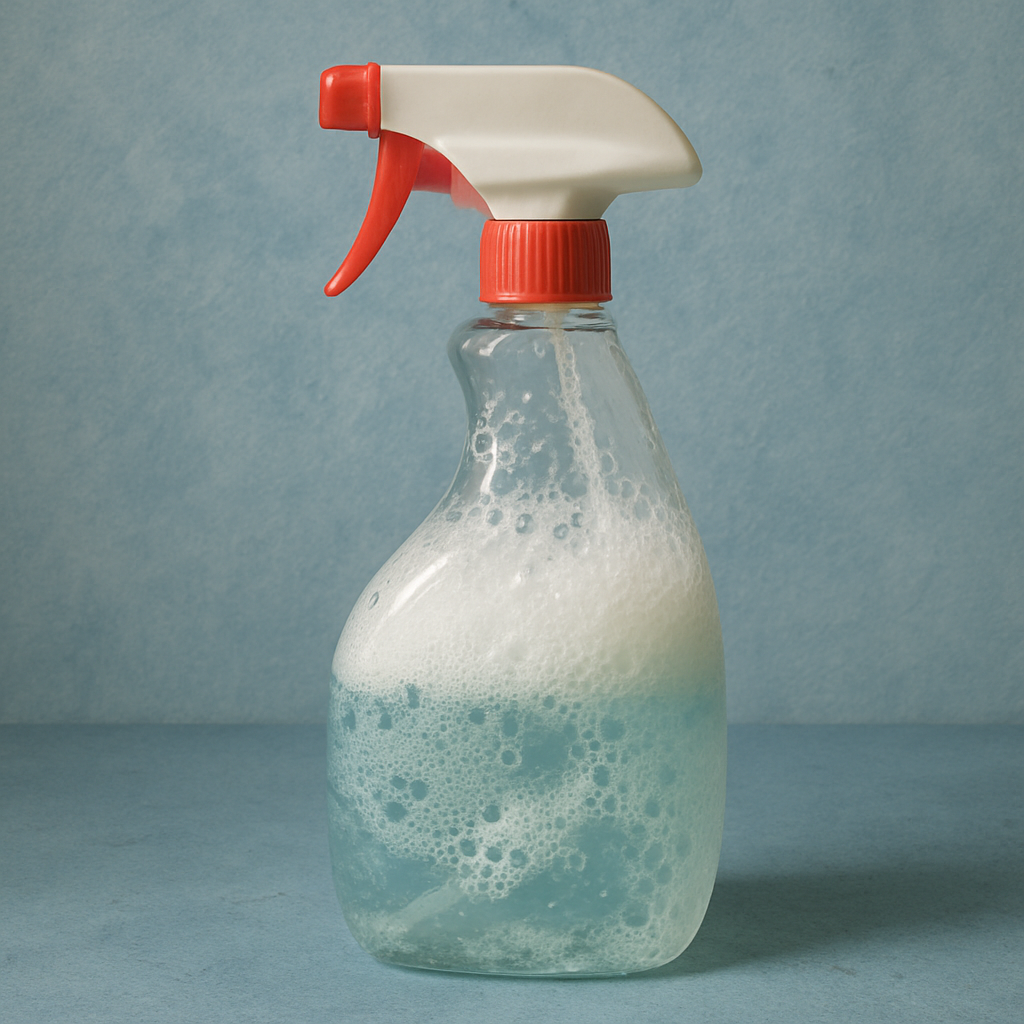
  3. Apply the Film: Use a spray bottle with soapy water to wet the glass, then apply the film starting from the top and smoothing it down with a squeegee.
  4. Trim Excess Film: Carefully trim any excess film around the edges with a sharp utility knife.

Maintenance Tips

Maintaining privacy glass film is straightforward. Regular cleaning with a non-abrasive glass cleaner will keep it looking pristine. Avoid using sharp or abrasive tools that could scratch the film.

Conclusion

Privacy glass film is a versatile and practical solution for enhancing privacy, improving energy efficiency, and protecting against UV rays. Whether you’re an interior designer seeking to elevate your client’s space or a homeowner looking to create a more private and comfortable environment, privacy glass film offers numerous benefits.

By understanding the different types of films available and considering your specific needs, you can make an informed decision about whether privacy glass film is right for you. With its easy installation and maintenance, it’s a worthwhile investment that can transform your living spaces into private, stylish retreats.